
Vietnam needs stronger public visual experiences
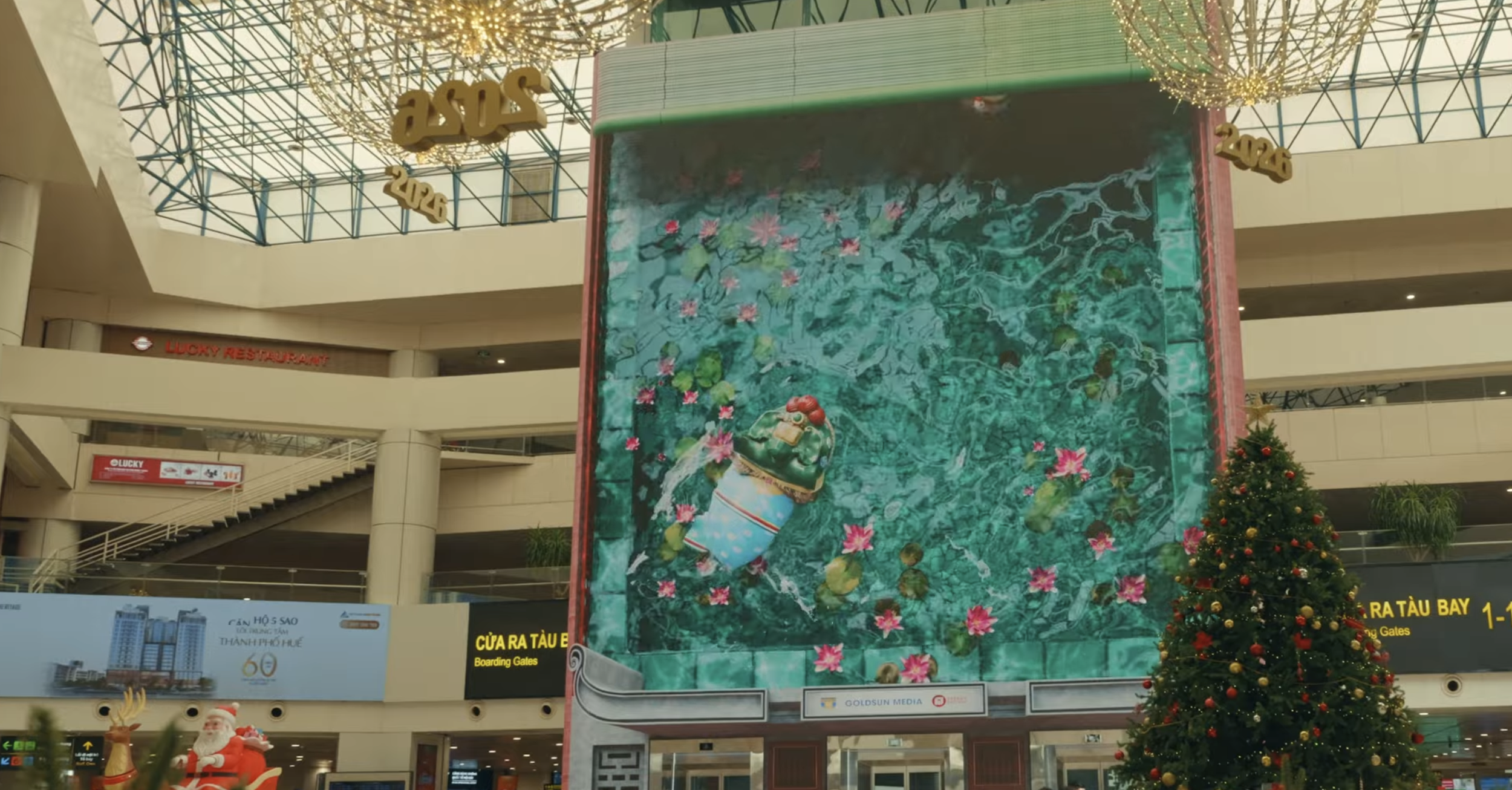
Vietnam is moving fast when it comes to having screens. But we’re still moving too slowly when it comes to creating experiences. And in public space, the gap between those two is expensive.
A well, placed screen can get a brand seen. But whether people stop, whether it feels worth watching, whether it’s remembered, whether it’s retold, that depends on something entirely different: the quality of the content, and how that content is staged for the context it lives in. DOOH isn’t a “glowing poster.” Big traffic doesn’t automatically mean impact. And the more important question isn’t “where is the crowd?”, but: when we step into public space, what standard of communication are we choosing to perform at?
Public space isn’t a backdrop for messaging. It’s a stage. And if it’s a stage, you can’t walk onto it with the attitude of “I paid for this spot, so I can say whatever I want.”
It’s a place with real people, real rhythms, real emotions. And it’s also a place where communication, if done carelessly, becomes a kind of mental pollution that’s hard to name, but easy to feel. One thing many marketing teams underestimate: in public space, your strongest competitor isn’t other brands. It’s life. Architecture. Sound. Crowds. Light. Cars. Signage. Street vendors. Weather. People don’t “come to watch ads”, they just pass by. And you have a few seconds to prove you deserve one beat of their attention.
The question is simple: does your brand actually respect its audience?
Markets love to talk about “being compliant.” But if we stop there, we’ll end up with an industry that is legally correct, and still terrible. The law tells us what we’re not allowed to do. The real problem lives in the grey zone of what’s permitted, where too many agencies default to a formula that’s become so familiar it’s depressing: bigger logo, more copy, enough messaging to make leadership feel safe, information density high enough to justify the booking. That formula produces one thing: noise. And when people live inside noise every day, they don’t fight back with outrage. They fight back by switching off. They walk past. They forget. They become numb, a kind of attention fatigue the industry quietly helps manufacture.
In public space, if you don’t put the viewer at the center, you’re not just running an ineffective campaign. You’re making the city’s visual environment more exhausting. We need to admit something: visuals in public space aren’t just images. They are emotion. And emotion carries responsibility. You can run a campaign that’s fully compliant, and still make people feel disrespected, interrupted, forced to receive something they didn’t choose. That’s a slow erosion of trust that won’t show up in any report, but compounds over time.
On the other hand, good content deployed in the right context creates a completely different feeling: instead of “I’m being advertised to,” the viewer feels like they’ve stumbled upon a moment worth looking at, inside the flow of the city. It doesn’t have to be complicated. It has to be considerate, and precise. Considerate, because you’re borrowing someone else’s attention. Precise, because public space does not forgive carelessness.
Another common mistake is treating conversion like something you have to hack. But good communication isn’t a hunt for tricks. The goal should be to create attraction, goodwill, trust, then convert through product quality. Doing the visual experience well gives people a reason to open the door. Whether they step in, stay, or recommend you is still decided by the product and how you serve them.
If you do everything possible to steal attention in a few seconds, cram information, shout headlines, manufacture shock, you might win a moment, but lose the relationship. And you also pull the market’s standards downward, in a way nobody formally owns, but everybody pays for.
If you work on the brand side or the agency side, here’s a small question worth asking before you approve any piece of content: If I were the person passing by, tired, busy, living my life, would I give this two seconds? Would I feel respected? And one more uncomfortable question: would the people approving and booking this media placement want to live inside the result of their decision? Do business owners care about how they appear in public, or is a nice report to investors enough?
I think Vietnam is entering a phase where public visuals can genuinely become part of the urban experience, not just advertising layered on top of the city, but something that contributes emotion to the space. But to get there, we need more than investment in screens. We need a shift in how the industry understands its role.