
Public Space Isn't a Social Platform
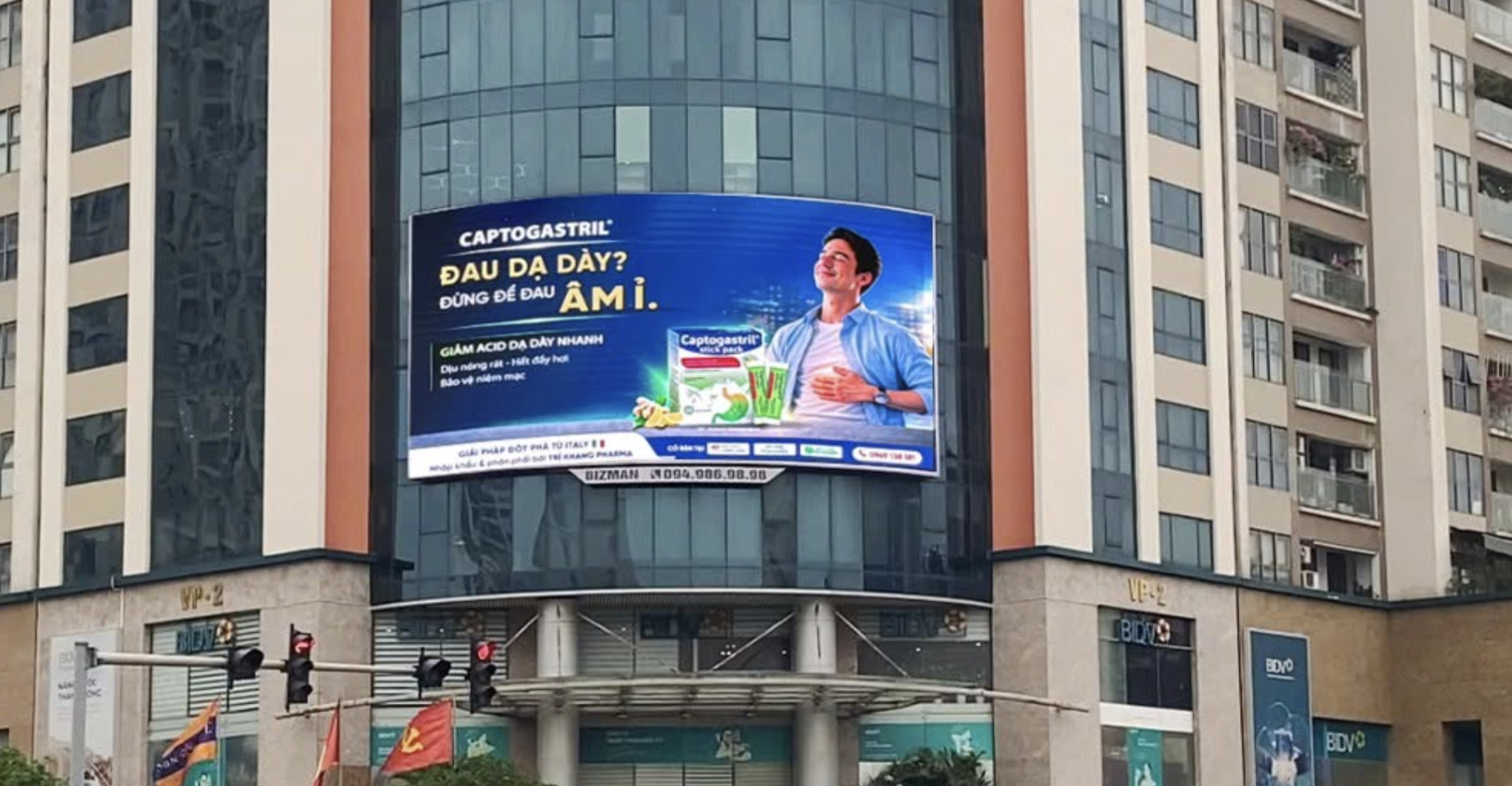
Most brands approach out-of-home with the same logic they apply to digital: secure the placement, drop in an asset, and expect attention to follow. It's an understandable default, but it's built on a fundamental misread of what public space actually is.
A content feed is an opt-in environment. The viewer has already chosen to be there, already in consumption mode, willing to pause and follow. Public space operates on an entirely different contract. The people you're trying to reach are in transit, mentally elsewhere, surrounded by competing stimuli, with no obligation to stop. You get one brief look. If the message doesn't land in that window, it doesn't land at all.
That constraint changes everything about how creative must be conceived. DOOH is not a file drop into a rectangle. It's a location-based system composed of physical context, human behavior, and technical conditions, and ignoring any layer of that system means the work breaks. Architecture shapes how light hits the surface. Pedestrian flow determines how long any given viewer is actually in sightline. Viewing angle can make a technically well-produced asset completely unreadable at the moment of encounter.
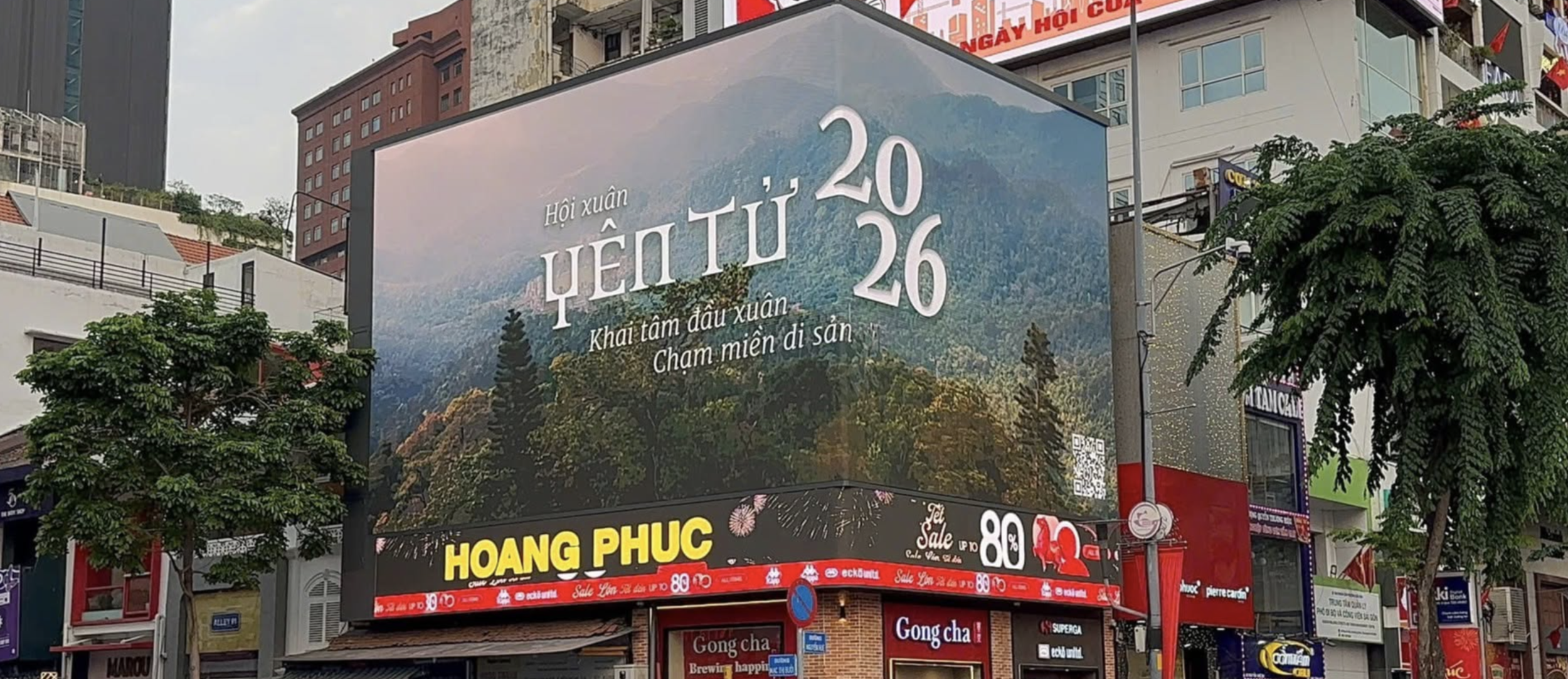
The industry has developed a vocabulary that obscures this reality. "High impact" gets treated as a style descriptor, a way of signaling ambition, when it should be a mechanism description. Impact isn't a look. It's a specific relationship between creative execution and site conditions that produces a predictable perceptual effect. If you can't articulate that mechanism, you can't properly direct the work, anticipate failure modes, or improve through iteration. You're producing output without understanding why it works or why it doesn't.
This is what makes content repurposing across channels so consistently unreliable. Viral creative is optimized for feed conditions: the attention rhythms of someone already looking at a screen, already engaged, already willing to follow. Those conditions simply don't exist in public space. DOOH demands immediate readability, legibility under motion, and visual compatibility with a physical environment the content has to compete with. Creative that performs on Instagram can feel incoherent on a street-level screen, not because of production quality, but because it was designed for a fundamentally different cognitive relationship with the viewer.
What all of this points toward is a shift in professional posture. The site is the brief. Geometry, distance, sightline, behavioral patterns, lighting conditions across the day. This is the information that makes genuine DOOH creative possible. Without it, the process isn't designed. It's approximation dressed up as expertise.
The practical standard that follows from this isn't complicated: read the site before you concept, identify one clear communication job, choose an approach because it fits this specific location, test under real conditions, and evaluate honestly after deployment. None of that is exceptional craft. It's the baseline that separates site-specific design from content recycling.
Public space is a shared resource. The work that earns its place there treats each placement as a design problem, not a distribution problem.
Source media: Bizman Media, Goldsun Media