
A high-traffic spot doesn’t automatically make a DOOH campaign work.
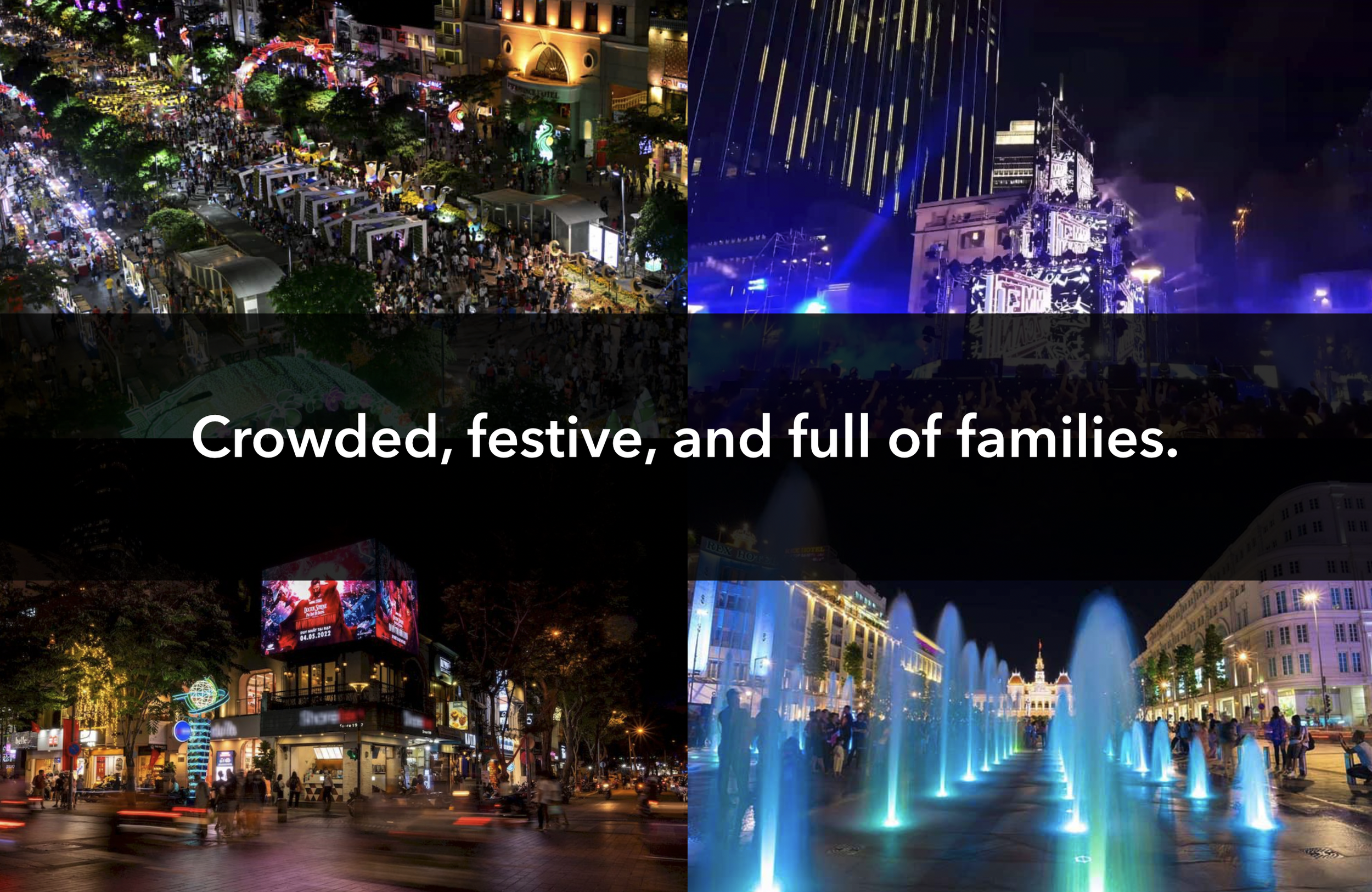
That’s the trap with “great locations,” especially in public spaces like Nguyen Hue street in Mid-Autumn Festival (Ho Chi Minh City, Vietnam). Crowded, festive, and full of families. On paper, it sounds unbeatable: loads of footfall, the right audience, and reach that feels almost guaranteed. In a traditional media mindset, being there already counts as success: “someone will see it”.
But the real constraint isn’t visibility. It’s attention. In dense environments, attention is constantly split. People keep moving. They’re scanning, navigating, talking, filming, buying snacks; processing everything at once. So the question becomes: in the 2–3 seconds you have, can your image pull someone’s eyes away from the city and hold them long enough to register a story?
That’s why DOOH shouldn’t be treated as “a video on a screen.” It’s spatial design.
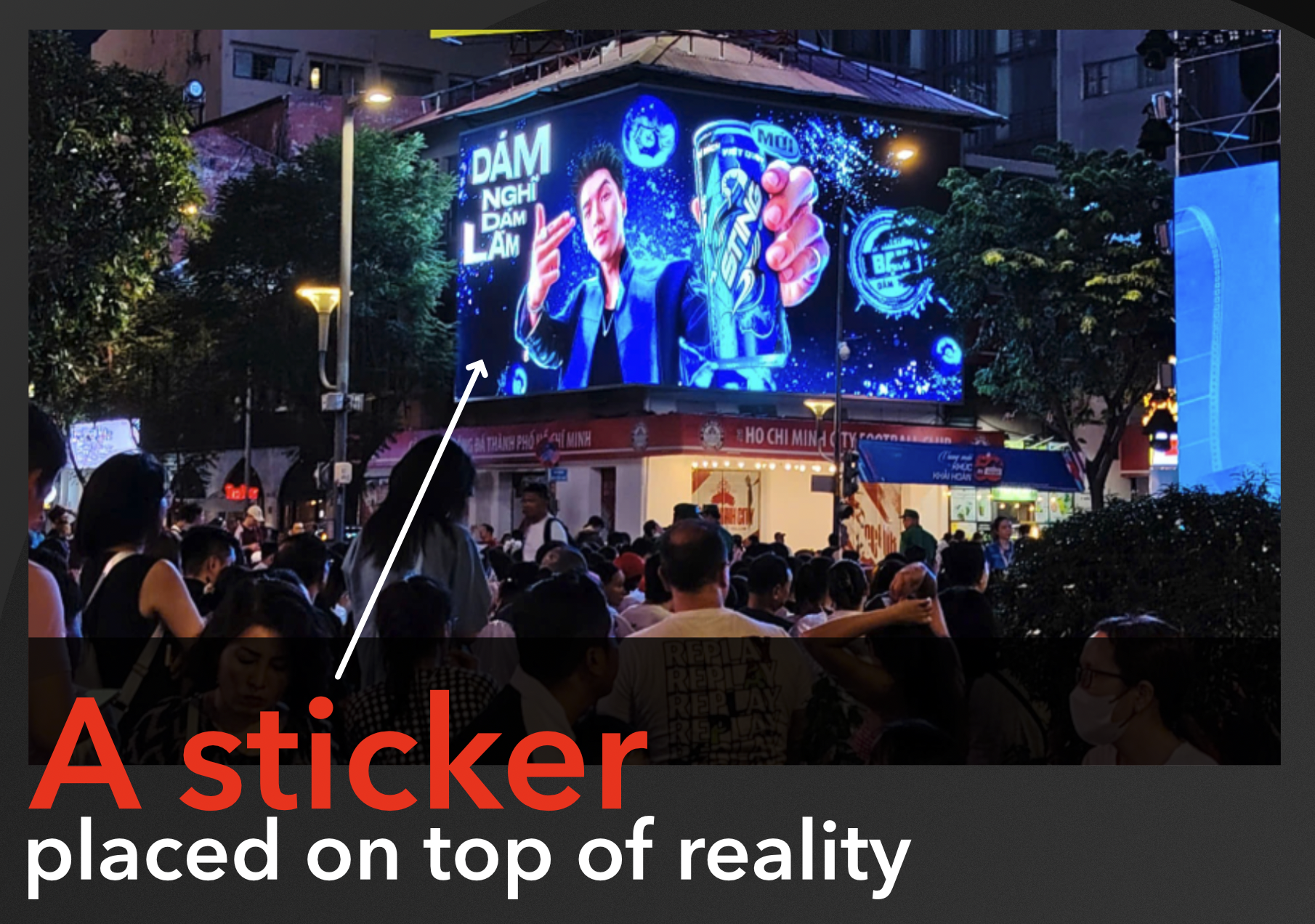
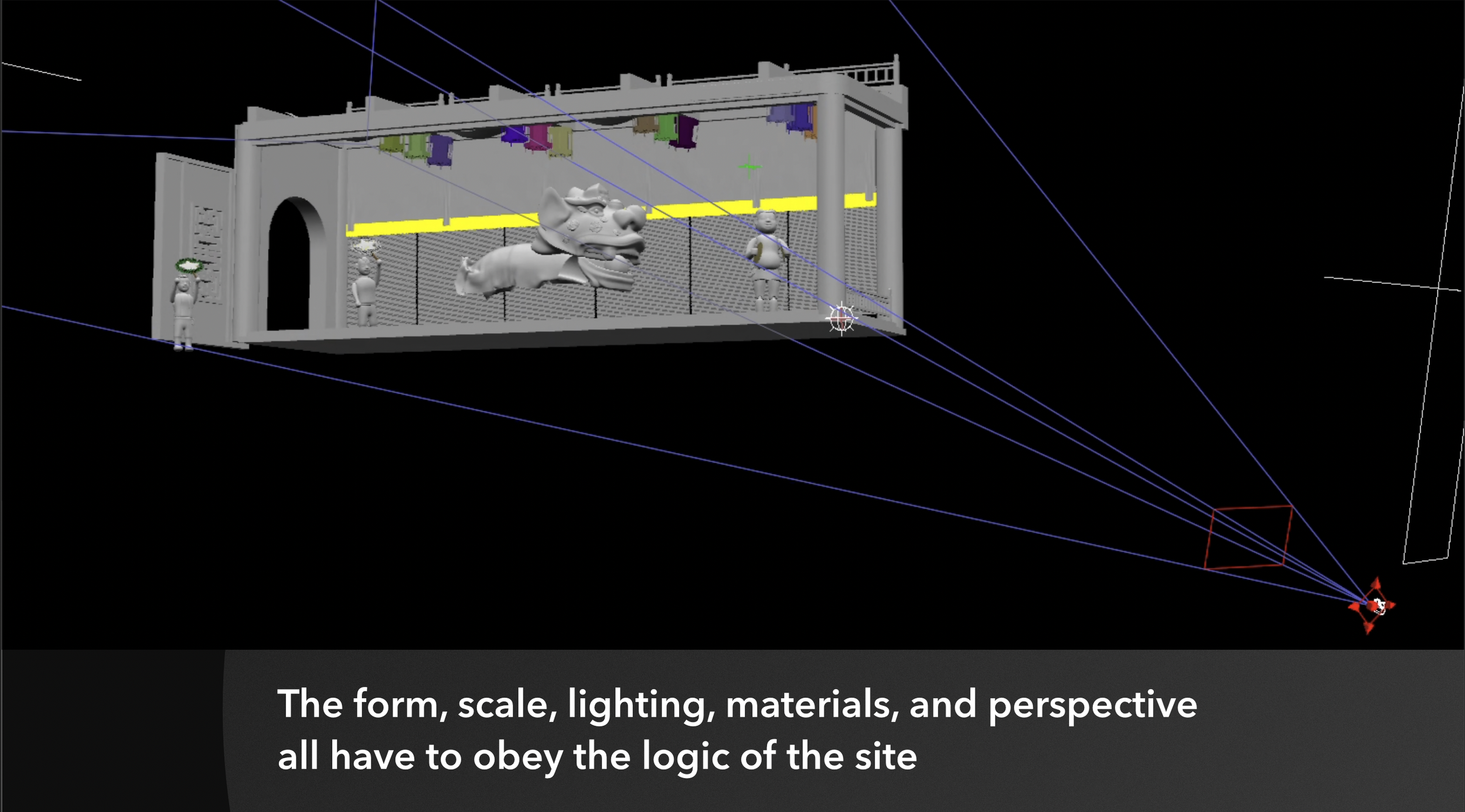
When a piece shows up in public space, it can’t feel like a sticker placed on top of reality. It has to behave like it belongs there. If you’re creating a decorative structure, a visual stage, or a virtual object “appearing” in the street, the form, scale, lighting, materials, and perspective all have to obey the logic of the site.
People engage with what feels believable. Get the scale wrong, break the lighting, ignore the surrounding architecture, and the illusion collapses instantly. Viewers may not explain it, but they feel it.
So good DOOH isn’t just “beautiful visuals.” It’s visuals designed as if the object were actually built in that exact location: it has weight, it catches the same light, it moves with physical intention. The goal is a natural presence, not an ad cutting across the landscape.
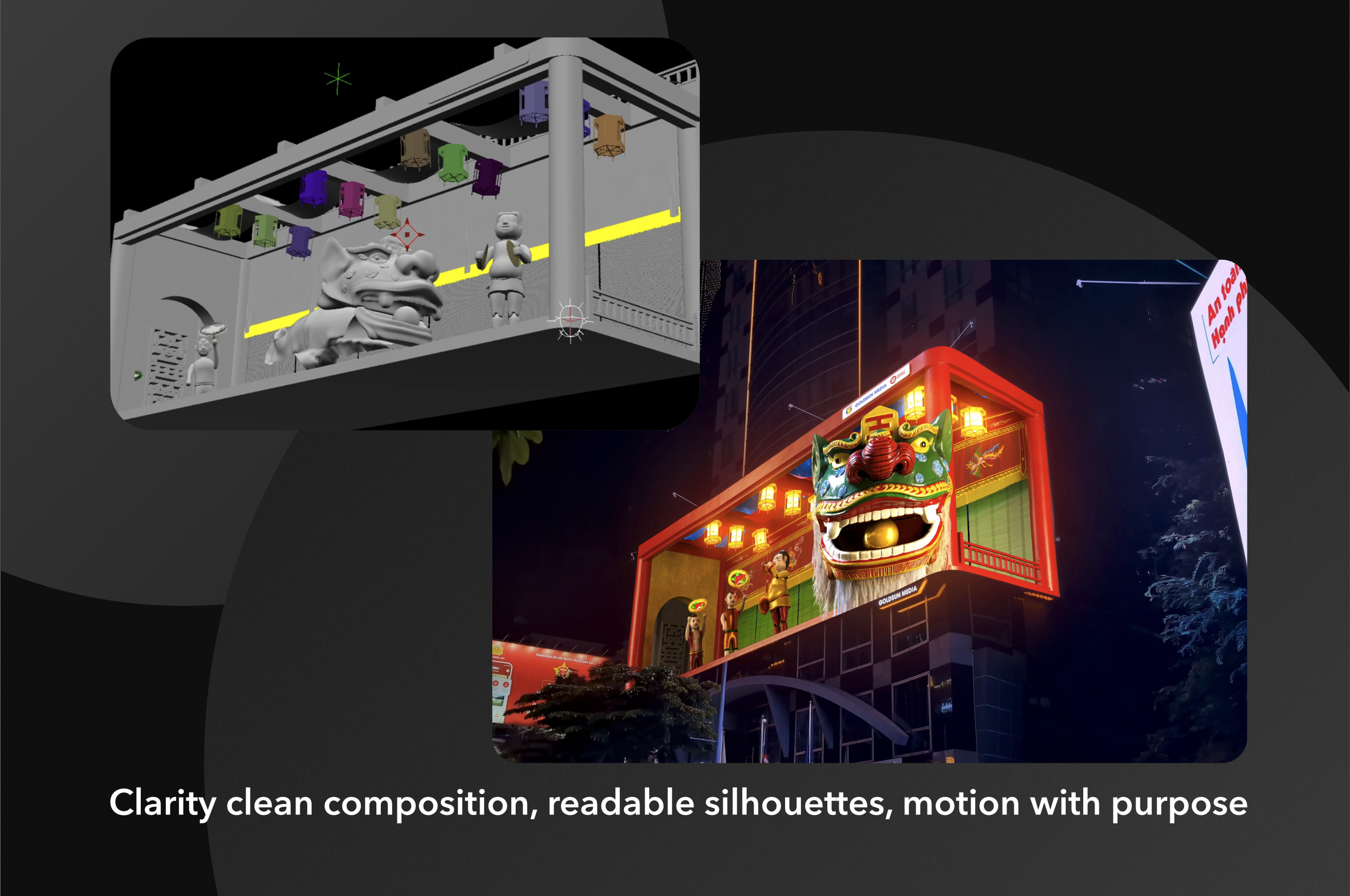
With a Mid‑Autumn theme, choosing Nghê (instead of defaulting to the familiar lion dance motifs) creates an identity that’s both recognizable and fresh. Pairing it with water puppetry taps into Vietnamese folk memory, but without sliding into old-fashioned illustration. It’s a contemporary reinterpretation, monumental in scale, set inside a bright, crowded urban night.
What makes it work isn’t “using culture.” It’s translating culture into visual action. Water puppetry suggests a folk stage. The Nghê reads as a festival guardian. And the moment it breaks out of the screen isn’t just a 3D gimmick, it’s staged like a street performance: it advances toward the audience, creates interaction, and pulls passersby into the spectacle. Even a quick glance can catch the intent.
This piece also proves another point: you don’t need layers of flashy effects. You need clarity clean composition, readable silhouettes, motion with purpose. The warm palette (reds, golds), lantern light, and festive materials feel right for Mid‑Autumn. More importantly, tradition isn’t used as surface decoration. It’s studied, distilled, and embedded into the structure - character, motion, material, timing.
That’s the difference between decorating with cultural symbols and designing an experience from culture. One borrows icons. The other understands how those icons operate in emotion, memory, and behavior.
When DOOH is done right, a brand doesn’t just “appear” on a big screen. It creates a moment in the city. People don’t feel forced to watch an ad; they feel like they’ve encountered something worth noticing.
And this is where I think the market needs to be more honest: traffic is only a starting condition. A premium location only gives you a chance to be seen. Whether people stop, remember, photograph, share or simply feel good about the brand, comes down to content quality and how precisely it’s designed for context. A strong outdoor campaign shouldn’t depend on volume to compensate for a weak experience. In fact, the more crowded the space, the more precise, condensed, and impactful the work has to be.
Because in public space, attention isn’t something you’re given. It’s something you earn through craft, content, aesthetics, and a concrete understanding of how people behave.