
DOOH isn’t a bigger poster. It’s a moment-making system.
Vietnam is accelerating fast in DOOH infrastructure. LED screens are multiplying across major roads, airports, malls, and public spaces. That’s exciting and it’s also exactly when a common mistake becomes expensive: Brands pay for premium locations then treat the content like an afterthought.
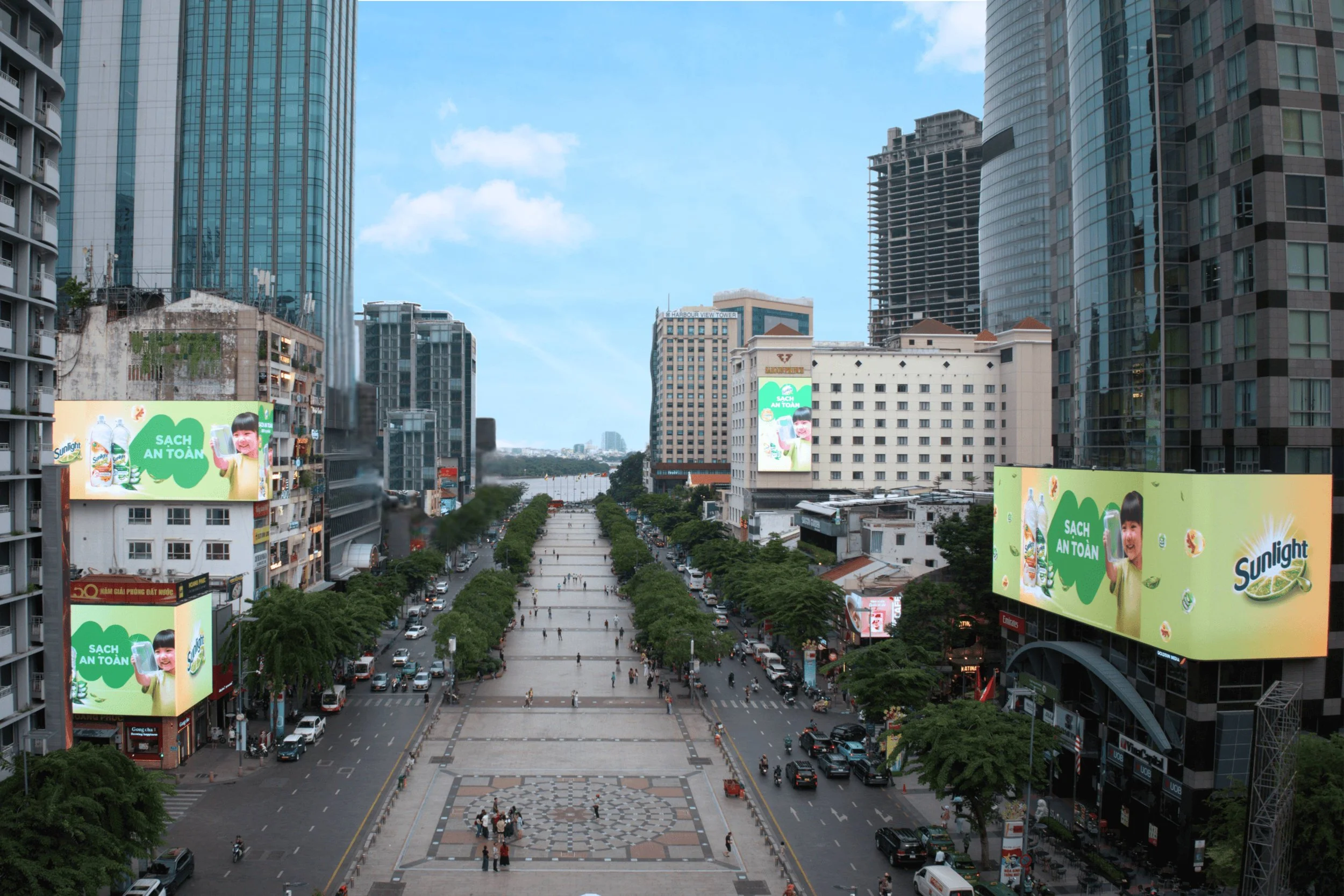
So you get the worst combination: premium screens in premium places, showing messages nobody remembers. The issue isn’t “design quality.” It’s the mental model. Most DOOH creative is still built with “static poster” thinking: oversized logo, packshot, too much copy, every detail squeezed into one frame.
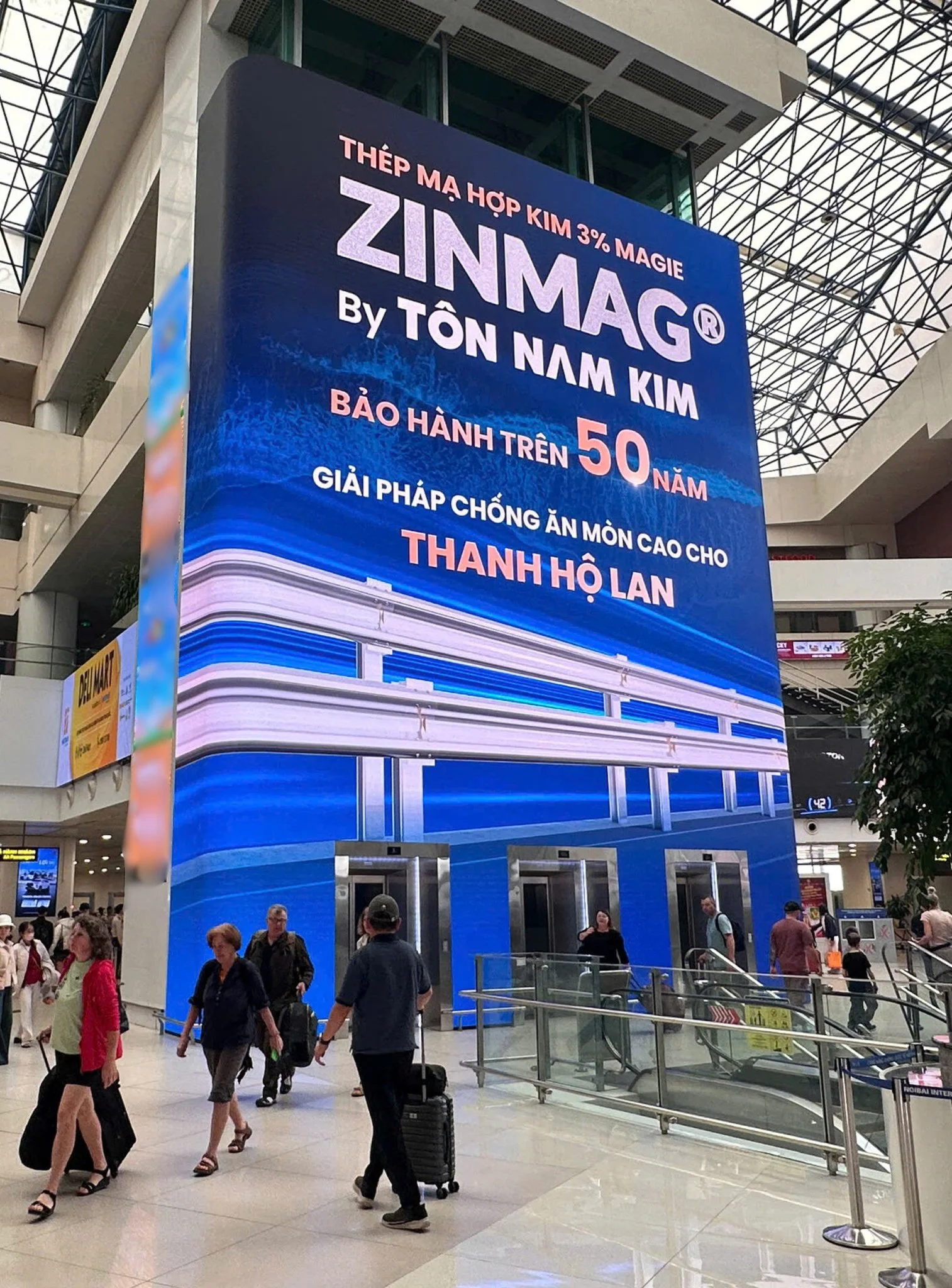
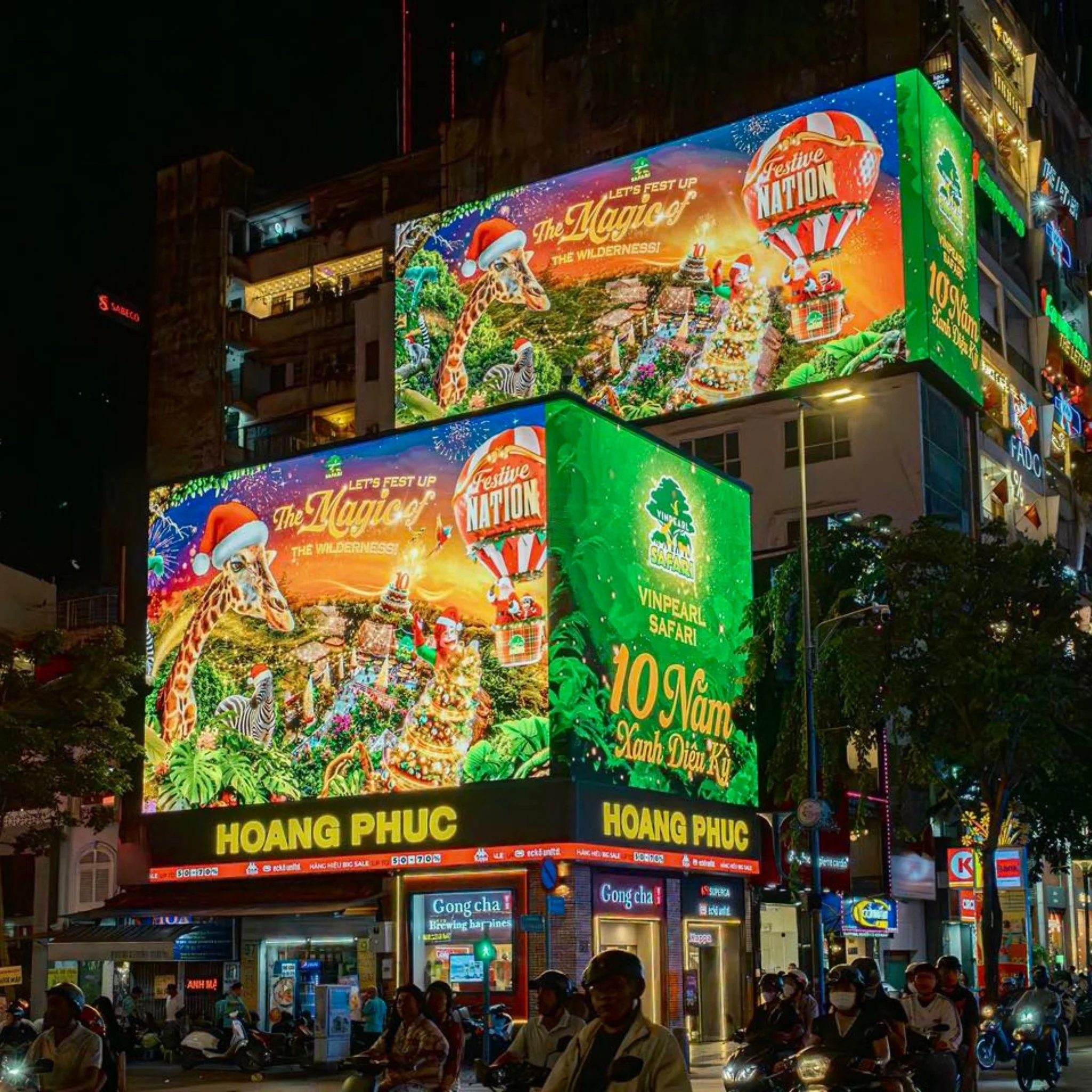
That approach can work on a webpage or a print ad. In DOOH, it becomes visual noise. People don’t stop to “consume” outdoor ads. They move. They scan. They’re overloaded. When you cram more information in, you don’t make the message clearer. You only make the brain skip faster. And as attention habits keep shifting (skip, swipe, close), DOOH that relies on forced exposure + information overload trains an automatic reflex: tune out. Sometimes it even creates negative sentiment.
What does a DOOH campaign that actually performs look like?
It usually has at least 3 layers:
One-read clarity: one idea captured in the first 1–2 seconds.
Pacing: motion rhythm or visual structure strong enough to hold the gaze.
Signature beat: a distinct moment people remember - the frame that makes them want to tell someone.
Because DOOH, at its best, isn’t just “media.” It’s closer to architecture: a designed highlight inside the city. When the creative respects the real context, screen proportions, viewing distance, ambient light, speed of movement, the content doesn’t just get seen. It lands.
The equation is simple: Media spend helps you appear. Content quality determines whether anyone pauses, remembers, feels something, and talks about it. If your message doesn’t deserve the stage, the stage won’t save it.