
I've Spent Years Making Visuals for Other Cultures. This Is What Changed.
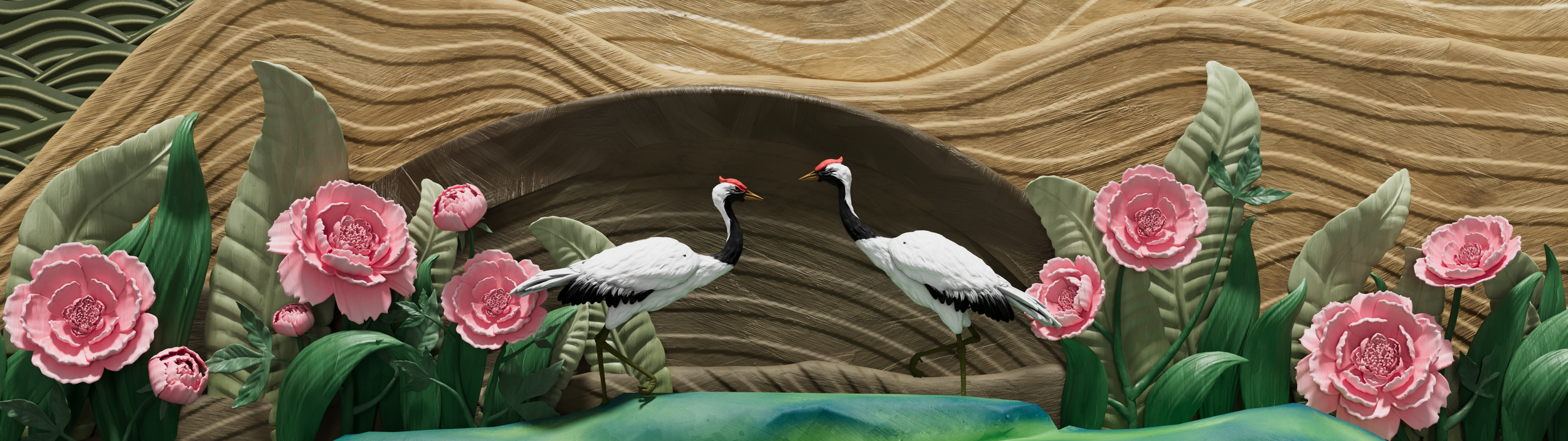
Over fifteen years in visual media, I arrived at a realization I hadn't been looking for: I had learned to work with other cultures' visual languages more seriously than I had ever worked with my own.
Over the past decade, outdoor advertising pushed into genuinely new territory. Specially shaped billboard structures, massive LED facades, anamorphic 3D content that seems to break out of the urban surface entirely. The infrastructure of public visual space grew faster than most markets knew how to use it, and Freaky Motion was fortunate to be part of that growth, across projects in Vietnam and abroad.
Working internationally gave me something beyond the projects themselves. Each engagement required a real understanding of how visual culture functions in a specific place, how a society organizes meaning through public image, what iconographic grammar it relies on, what it expects audiences to already carry with them. That discipline shaped the way I approach image-making at a fundamental level.
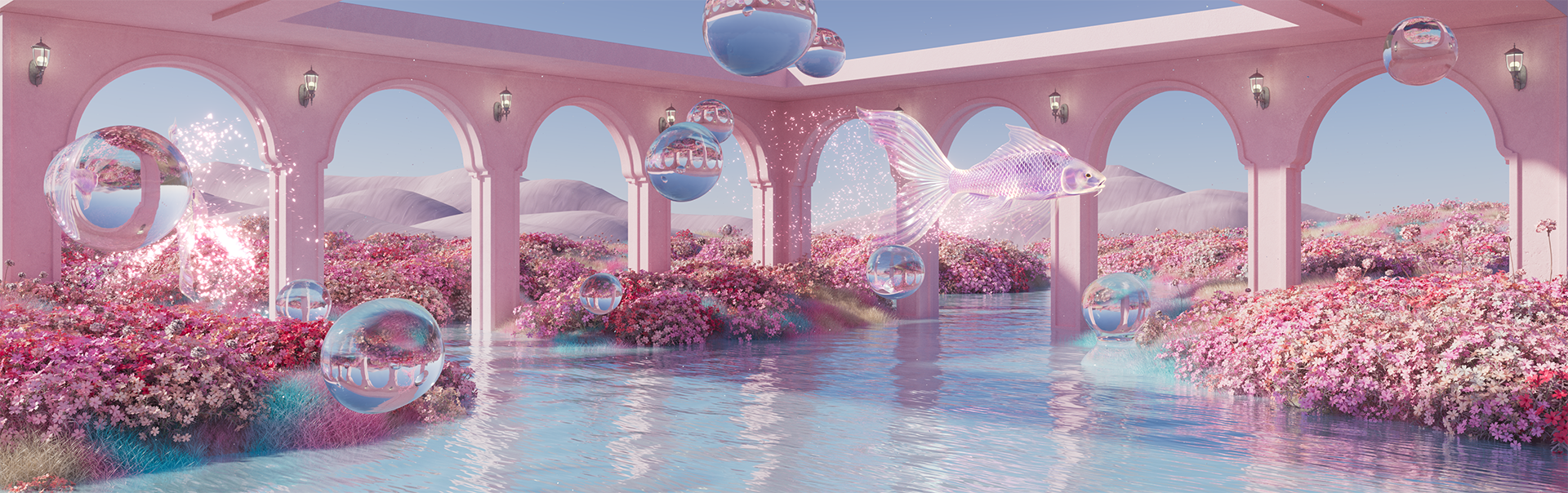
During recent trips to countries that have built strong creative industries on indigenous cultural foundations, China, Korea and Japan among them, something stood out that had nothing to do with heritage sites or museums. It was visible on the streets. Contemporary creative work in those places operates from local cultural grammar as a matter of course, not as a curatorial choice. Public screens, brand identities, entertainment formats all participate in a living continuity between past and present that those societies have chosen to carry forward through new technology, rather than allow imported aesthetics to displace. That continuity is not preserved. It is practiced.
Vietnam has been moving more visibly in this direction in recent years. But much of the public display infrastructure still leans heavily toward information delivery over cultural meaning. Freaky Motion conducted fieldwork at major outdoor advertising locations and found a consistent picture: audiences had largely stopped engaging with standard poster rotations and looping TVC content. The infrastructure was ready. The content was too fragmented and too commercial to do anything with it. Most of what occupied public space was communication aimed at individuals rather than works that belonged to the community, that could settle into daily life and carry something of the spirit of a shared culture.
That gap troubled me professionally. But there was a more personal dimension to it.
I had spent years learning how to draw on the cultural resources of other countries and build work that honored them. Yet I had never applied that same rigor to Vietnamese culture. Traveling to work within the depth of other cultures while having not yet seriously attempted to carry my own through contemporary visual language. That gap formed quietly, over time.
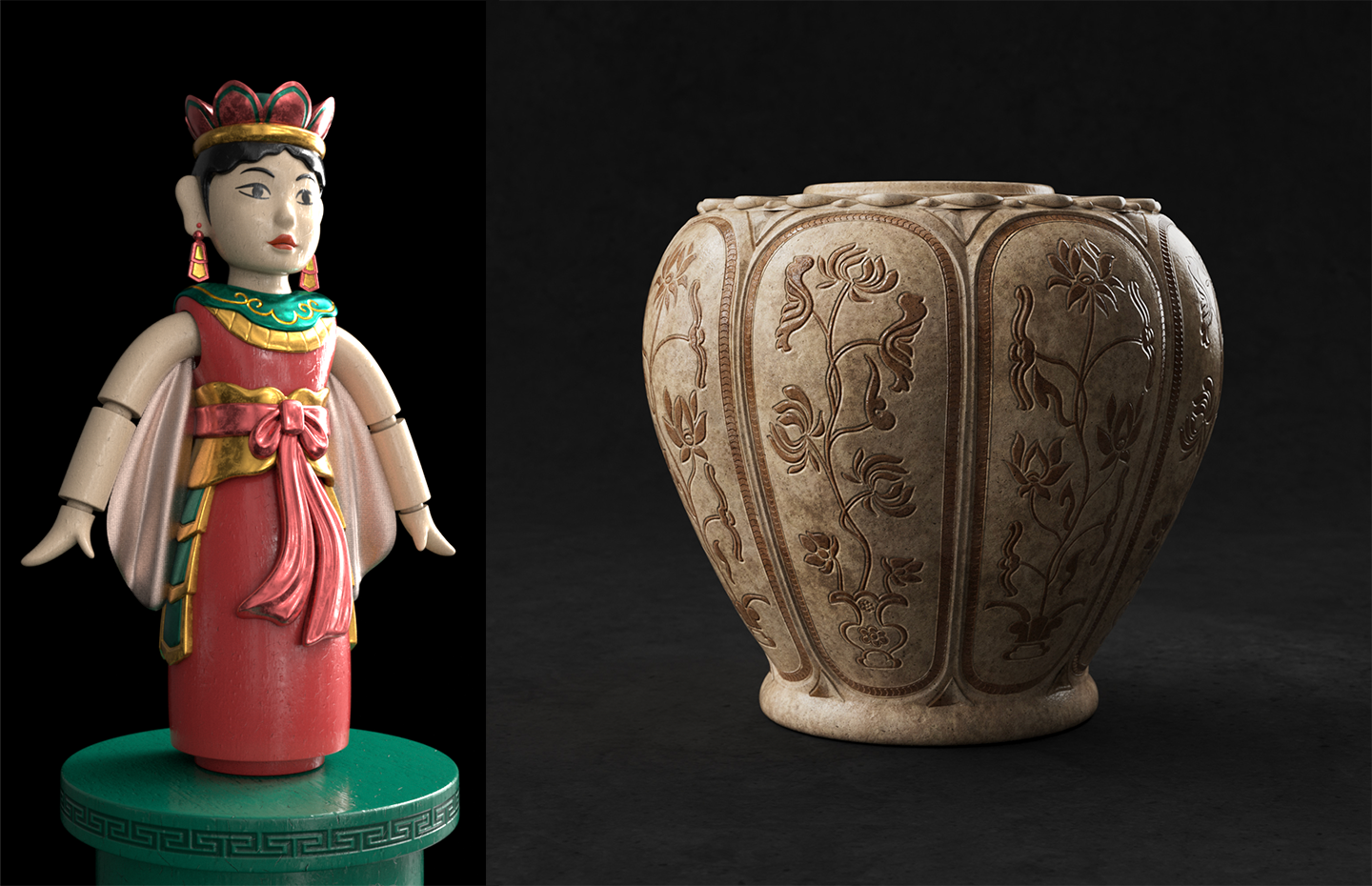
In late 2023, we launched Moving Culture. The aim was straightforward: to build a body of work combining image and sound through new design technology to express the living forms of Vietnamese folk culture. Not reconstruction, not heritage tourism, but works that bring indigenous cultural DNA into the formats of this era, from LED screens on city streets to public spaces of visual and performing art.
A culture with real depth needs its identity present where contemporary life actually happens. Not stored. Not displayed as evidence of the past. Present, in the language of the present.
And Khởi Hội began from there.